


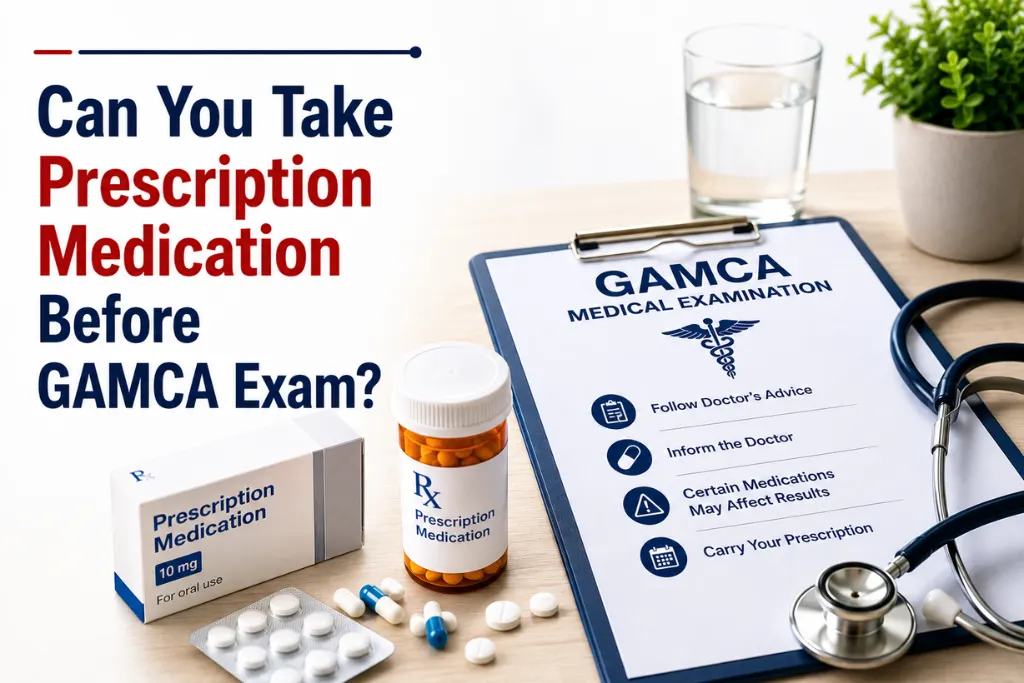
Yes – in most cases, you can continue prescription medication before GAMCA exam, as long as you tell the examining doctor and bring your prescription with you. Stopping medication on your own isn’t really the safe move here.
The GAMCA medical test looks at your overall fitness for work abroad, not just whether you happen to be on medication. Doctors expect applicants to be upfront about what they’re taking, since some conditions need to be noted rather than hidden away.
Being honest about prescription medication before GAMCA exam actually works in your favor. It gives the doctor context instead of leaving them to flag something unexplained later.
Why Does Prescription Medication Before GAMCA Exam Matter?
Because the doctor needs the complete picture of your health before signing off on your fitness certificate – that’s really the short version.
Medical centers note down ongoing treatments for things like diabetes, blood pressure, or thyroid issues. It’s not held against you. It’s just part of building an accurate report.
Hiding this stuff tends to backfire, too. If your test results don’t line up with what you declared, the whole process can stall or get sent back for review.
What disclosure actually does for you:
- Gives the doctor context for readings that might look unusual
- Keeps your report consistent from start to finish
- Cuts down on delays caused by mismatched information
- Builds a cleaner paper trail for visa processing later on
What Prescription Medication Before GAMCA Exam Should You Disclose?
Anything prescribed for a chronic condition, plus whatever you’ve taken over the past few weeks – that’s the general rule.
This covers a fairly wide range. Diabetes tablets or insulin, blood pressure pills, thyroid medication, anything heart-related – all of it falls under prescription medication before GAMCA exam disclosure.
A few things worth flagging to the doctor:
- Medication for diabetes or blood sugar control
- Blood pressure or heart-related prescriptions
- Thyroid or hormone medication
- Antibiotics or short-term treatment courses taken recently
Even a minor medication left off the list can cause confusion once lab results come back.
Which Medical Conditions Need Extra Care During Prescription Medication Before GAMCA Exam?
Chronic conditions – diabetes, hypertension, and thyroid disorders – tend to need the closest attention during this process.
None of these are unusual among applicants, and GAMCA centres deal with them constantly. What matters most is that your levels are reasonably under control and your medication use is properly written down.
| Condition | What Doctors Usually Check | Applicant’s Role |
| Diabetes | Blood sugar levels | Bring recent reports |
| Hypertension | Blood pressure readings | Take medication as prescribed |
| Thyroid disorders | TSH levels | Carry latest test results |
| Heart conditions | ECG and history | Disclose all current medicines |
That table’s just a rough guide – the exact process for prescription medication before GAMCA exam can shift slightly depending on the centre.
How Does Gamca Medical for Bahrain Handle Prescription Medication Before GAMCA Exam?
Gamca Medical for Bahrain sticks to the same core guidelines as other Gulf countries, though it usually asks for a bit more paperwork around chronic conditions.
Applicants going through Gamca Medical for Bahrain are typically asked for a doctor’s note if they’re on long-term treatment. This lets the centre confirm the condition is actually being managed, not just mentioned in passing.
Anyone prepping for Gamca Medical for Bahrain should carry both the prescription itself and a short summary from their regular doctor. Saves a lot of back-and-forth at the appointment.
What Mistakes Should You Avoid With Prescription Medication Before GAMCA Exam?
The biggest mistake, by a wide margin, is stopping medication right before the test in hopes of “cleaner” results. It usually does more harm than good.
Skipping doses to appear healthier tends to backfire – sudden shifts in blood pressure or sugar levels aren’t hard for doctors to spot. And it puts your own health at risk for basically no upside.
Common mistakes worth steering clear of:
- Stopping prescribed medication without medical advice
- Forgetting the actual prescription copy at home
- Not mentioning a recently changed dosage
- Assuming a minor medication doesn’t need reporting
- Skipping a follow-up with your regular doctor first
Steer clear of these, and the rest of the process stays fairly simple.
Where Can You Get Guidance on Prescription Medication Before GAMCA Exam?
Reliable guidance usually comes from platforms that specialise in Gulf medical requirements, including detailed help for Gamca Medical for Bahrain applicants.
If your regular doctor can’t answer GAMCA-specific questions, a site like gamcaonline.co.in can walk you through what’s expected – particularly around prescription medication before GAMCA exam and the country-specific rules for Gamca Medical for Oman and Gamca Medical for Bahrain.
Getting clarity early on means far fewer surprises on the actual test day.
Frequently Asked Questions
Q1. Can you take prescription medication before GAMCA exam without informing the doctor?
No, disclosing your medication is a standard part of the process.
Q2. Does Gamca Medical for Bahrain require extra documents for chronic conditions?
Yes, a doctor’s note or recent reports are often requested.
Q3. Will prescription medication before GAMCA exam affect your fitness result?
Not usually, as long as the condition is managed and disclosed properly.
Q4. Should you stop medication before the test?
No, stopping medication without medical advice isn’t recommended.
Q5. What documents should you carry for prescription medication before GAMCA exam?
Your prescription copy and recent test reports are usually enough.

